Last updated: August 10, 2026
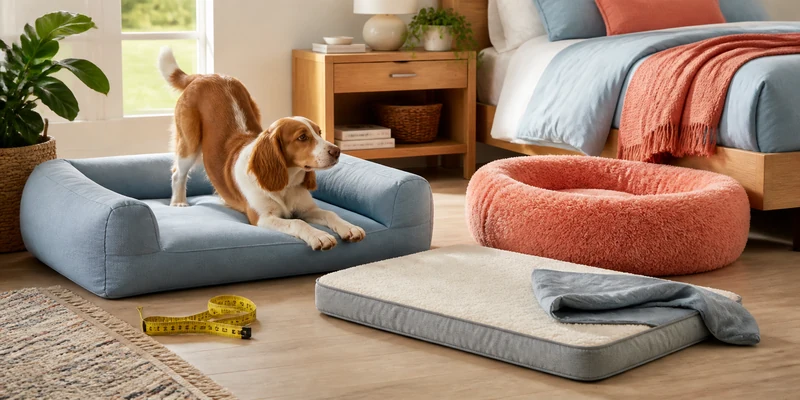
Buying a dog bed sounds simple until you are forty tabs deep comparing donuts, cots, mattresses, caves, and something called a lounger, all in six sizes and all described as the most comfortable bed ever made. The truth underneath the marketing is simpler: dogs have a handful of distinct sleeping styles, and each style maps cleanly to one or two bed types. Match the bed to the sleeper and the dog uses it. Miss, and the expensive bed becomes a decoration while the dog sleeps on the couch.
This is our hub guide to the whole category. It shows you how to read your dog’s sleeping style, matches every common situation to the right bed type, and gives you our picks across formats, with links to the deeper guides where each type gets a full treatment.
This article contains affiliate links. If you buy through them, we may earn a commission at no extra cost to you. Learn more.
Quick Answer
Which dog bed should you buy?
- Match the bed to how your dog already sleeps: sprawlers want flat mattresses, curlers want donuts and bolsters, hot sleepers want elevated mesh, seniors and big breeds want supportive foam.
- Whatever the type, insist on a removable machine-washable cover. It is the single feature that decides whether a bed survives real life.
- Size by measuring your dog in his usual sleeping position, not by breed label, and go up a size when in doubt.
The Right Dog Bed for Every Sleeper
Watch your dog sleep for a couple of days before you spend anything. The position he chooses on the floor, and the spots he seeks out, tell you which row of this table you are shopping in.
| Your dog | Best bed type | Where we cover it |
|---|---|---|
| Sprawls flat on his side | Flat mattress or pillow bed, sized to his full stretched length | This guide, picks below |
| Curls into a ball, leans on things | Donut or bolster bed with raised sides | Calming dog beds |
| Runs hot, seeks tile and shade | Elevated mesh cot with airflow underneath | Elevated dog beds |
| Senior, stiff, or very large | Supportive foam mattress with a low entry | Orthopedic dog beds |
| Destroys bedding | Chew-resistant cot or reinforced mattress | Chew proof dog beds |
| Sleeps in a crate | Crate-sized flat pad or mattress | Crate dog beds |
| Anxious, hides, burrows under blankets | Cave bed, covered donut, or a den setup | Calming dog beds |
Most dogs mix two styles by season, sprawling in July and curling in January, which is why so many households end up with a warm bed and a cool bed rather than one bed that compromises at both.
Reading Your Dog’s Sleeping Style
The floor tells you almost everything. A dog who stretches full length on his side wants surface area, and a bed with raised sides will physically not fit him; he needs length more than softness. A dog who curls tightly and backs into corners wants something to lean against, which is what bolsters and donut walls provide. A dog who digs and rearranges blankets before lying down is a nester, and appreciates loose toppers and soft fill he can shape. A dog who flops onto tile in August is telling you about temperature, not comfort.
Age shifts the answer over time. Puppies chew, have accidents, and grow, so cheap and washable beats premium for the first year. Adults settle into their true style. Seniors gradually trade softness for support, since a very soft bed is genuinely harder for a stiff dog to stand up from. If your older dog circles a plush bed and then lies on the floor next to it, that is a common and readable signal, and both our orthopedic bed guide and senior dog mobility at home pick up that thread. New stiffness or a changed sleeping posture is also a veterinarian conversation before it is a shopping trip.
Foam, Fill, and the Washability Test
Under the covers, dog beds are one of two things. Foam beds use a solid slab, ideally dense enough that your spread fingers pushed into it do not reach the floor. They keep their shape for years, support weight evenly, and cost more. Fill beds use loose polyester stuffing or shredded foam, feel plush on day one, and gradually flatten and migrate until the dog is effectively lying on fabric. Fill is fine for small, light dogs and for nesters who like to shape their bed; heavy dogs flatten it within months.
Whatever the internals, apply the washability test before anything else: does the cover zip off, and does the label allow a machine wash? A dog bed absorbs fur, drool, mud, and the occasional accident, and a bed you cannot wash is a bed you will eventually throw away for reasons that have nothing to do with wear. A waterproof liner between cover and core is the upgrade that saves foam beds from ruin, and it matters double for puppies and seniors. For dogs with a real accident risk, the fully waterproof builds in our waterproof orthopedic bed guide are built around exactly this problem.
Our Top Picks Across Bed Types
How we chose: we compared the most widely available beds in each major format on materials, cover washability, sizing range, and the durability themes that repeat across owner reviews. Selections are based on manufacturer specifications and owner reporting, not hands-on testing.
🏆 Best Overall
A flat plush mattress with a removable machine-washable cover and a wide size run from small through XL. The shape that fits the most sleeping styles, from sprawlers to crate sleepers, at a price that allows buying two.

💛 Best Value
A bolster lounger with a soft sleeping surface and raised sides for leaners and curlers, from a brand with one of the widest budget ranges in the market. An easy first bed that covers most medium dogs well.

🐾 Best for Big Dogs and Seniors
A thick, dense foam mattress built specifically for large breeds, with support that does not flatten under real weight and a cover made to come off and wash. The reference point at the supportive end of the market.

Sizing: Measure the Dog, Not the Breed
Size charts organized by breed are a starting point at best, because dogs vary hugely within a breed and sleeping style changes the math entirely. The method that works: measure your dog in his usual sleeping position. A sprawler gets measured stretched out on his side, nose to base of tail, plus several inches. A curler gets measured in the curl, across the widest span. Compare those numbers against the bed’s sleeping surface, not its outer dimensions, since bolster walls can eat a third of a listed size.
When you land between sizes, go up. A bed slightly too big costs a little floor space; a bed slightly too small gets abandoned. The full tape-measure walkthrough, including crate interiors and bolster math, is in how to measure your dog for furniture. Multi-dog homes have their own sizing question, one bed each plus a shared big one being the setup that keeps the peace, and we cover the logic in multi-dog household setup.
Two More Beds Worth a Look
Two formats from the situation table deserve their own picks here, because they solve problems the mainstream shapes cannot.
🐾 Best for Anxious Curlers
The original shag donut bed with a high plush wall the dog can sink into and lean against. Many owners report their curlers and leaners settle noticeably faster in it; sizing runs generous, so measure the curl first.

🐾 Best for Hot Sleepers
The classic elevated mesh cot that lets air move under the dog, hoses clean, and lives happily on a patio. The summer answer for thick-coated breeds and tile-seekers.
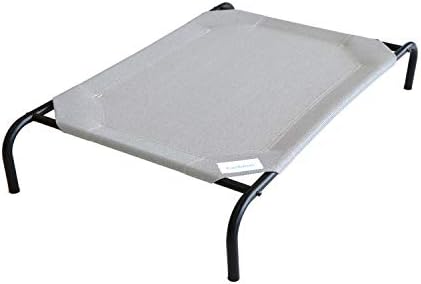
Both formats have full guides of their own: calming dog beds for the donut end, and elevated dog beds for the airflow end, with the Coolaroo review covering the best-known cot in detail.
Placement: The Free Upgrade
Where the bed goes changes how much it gets used, at no cost. Dogs choose resting spots with a sightline to the household, a comfortable temperature, and low traffic, roughly in that order. A bed against a wall at the edge of the living room, where the dog can see people without being stepped over, beats the same bed in a hallway or a closed-off laundry room. Avoid direct radiator blast and drafty exterior doors, and in summer remember that the sunny window spot your dog loved in January becomes an oven.
If the dog sleeps in a crate or a furniture-style crate, the bed inside follows crate rules: flat, sized to the crate floor, and washable, with the details in our crate bed guide. And if the bed needs to look like it belongs in a decorated living room, the design-led end of the market is its own world, covered under modern dog furniture.
Common Mistakes to Avoid
- Buying for the room instead of the dog. A gorgeous bed in the wrong shape for your dog’s sleeping style is decor, not furniture.
- Skipping the washable cover. The most common regret in owner reviews of every bed type. No zip-off cover, no purchase.
- Sizing by breed chart. Measure the actual dog in his actual sleeping position and compare against the sleeping surface.
- Premium beds for puppies. Chewing, accidents, and growth all argue for cheap and washable in year one, then a proper bed for the adult dog.
- One bed for two dogs. Sharing is the exception, not the plan. Each dog needs a spot of his own.
- Very soft beds for stiff seniors. Deep plush is hard to stand up from. Older dogs generally do better on firm supportive foam with a low entry.
Where to Go From Here
If the situation table pointed you somewhere specific, follow it: orthopedic beds for support, elevated beds for heat, calming beds for curlers and anxious dogs, chew proof beds for the destroyers. If an older dog prompted this search, senior dog mobility at home looks at the whole house, not just the bed.
Frequently Asked Questions
What is the best type of dog bed? The one that matches how your dog already sleeps: flat mattresses for sprawlers, donuts and bolsters for curlers, elevated mesh for hot sleepers, supportive foam for seniors and large breeds. There is no single best type, which is exactly why the categories exist.
How do I know what size dog bed to buy? Measure your dog in his usual sleeping position, add several inches, and compare against the bed’s sleeping surface rather than its outer dimensions. Between sizes, go up.
Do dogs really need a dog bed? Dogs sleep many hours a day and benefit from a consistent, comfortable spot of their own, especially on hard flooring and in multi-pet homes. A bed also keeps fur, dirt, and odor concentrated somewhere washable.
How often should you replace a dog bed? When the support is gone: flattened fill, foam that bottoms out under your hand, or a cover that no longer comes clean. Washable covers and dense foam push replacement years out.
Why does my dog ignore his new bed? Usually wrong shape, wrong size, or wrong location. Recheck the sleeping-style match, move the bed somewhere with a sightline to the family, and give it a week with a familiar blanket on top before judging.
Are expensive dog beds worth it? For large, heavy, or older dogs, dense supportive foam is a real functional upgrade that cheap fill cannot match. For small young dogs, a well-made budget bed with a washable cover covers most of what matters.
The Bottom Line
Choosing a dog bed comes down to three moves: read your dog’s sleeping style off the floor, pick the bed type that matches it, and refuse anything without a removable washable cover. Size by measuring the dog in his sleeping position, place the bed where he can see the household, and let seniors trade softness for support. Get those right and the bed gets slept in, which is the only review that counts.